Character Flaw: The One Thing Your Protagonist Can't Do Without (Until They Do)
Adam P. · October 4, 2026 · 4 min read
If I had to boil everything I know about screenplay structure down to one sentence, it'd be this: your protagonist needs one clear, specific flaw, and everything they do should be an expression of that flaw.
Not three flaws. Not "they're kind of a mess." One. Specific. Load-bearing.
When a script feels shapeless, when the second act wanders and the ending feels arbitrary, nine times out of ten the problem isn't the plot. It's that the protagonist doesn't have a flaw strong enough to hang a movie on.
What a flaw is (and isn't)
A flaw is the way your protagonist gets in their own way. It's the belief or behavior that's costing them, even if they can't see it yet.
It isn't a quirk. Being clumsy, or bad with money, or a little sarcastic, is a trait. A flaw is something the story can test, crack and ultimately force them to overcome.
It isn't a backstory either. An abusive childhood is a wound. The flaw is what that wound turned them into. In Good Will Hunting, Will was beaten as a kid. That's the wound. The flaw is what it left behind: he pushes people away before they can leave him, whether it's Skylar, Sean or every job that might actually change his life.
Why it has to be specific
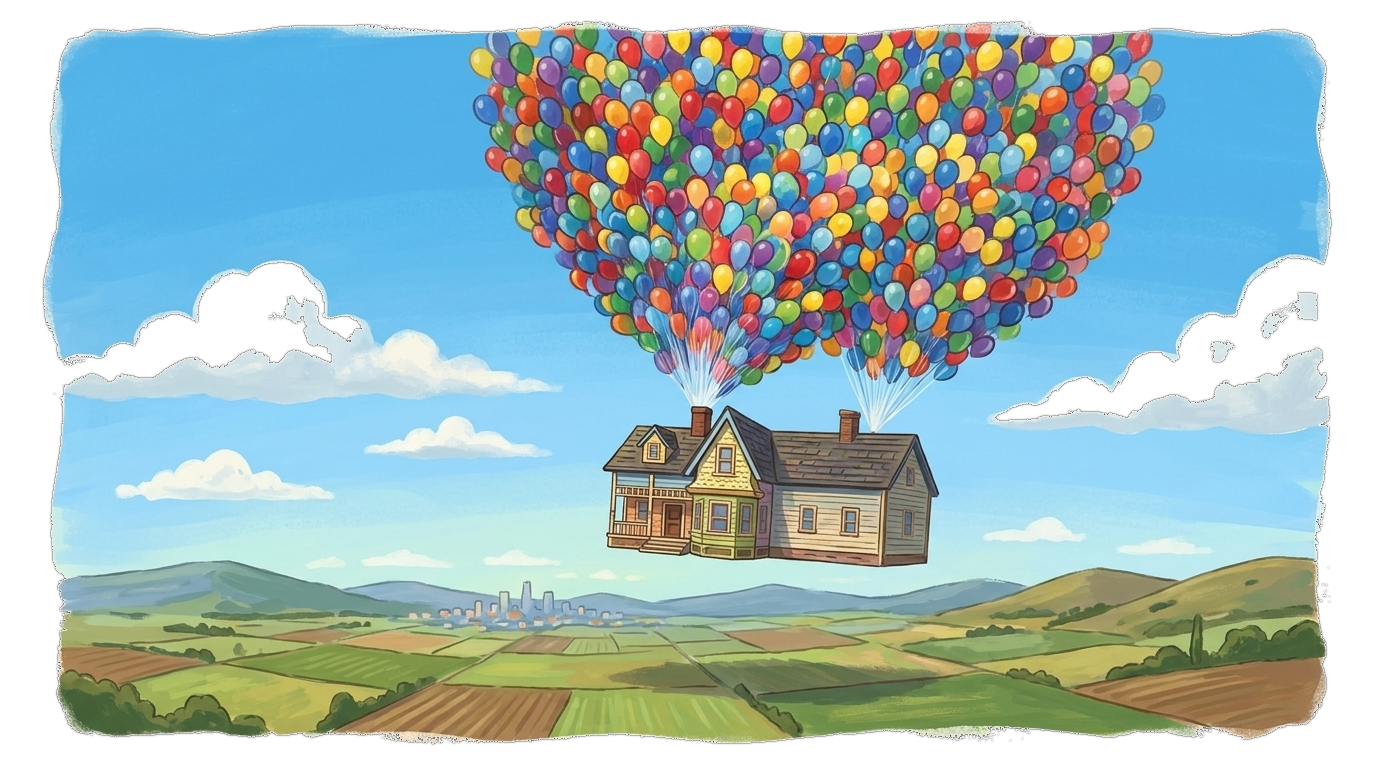
"Grumpy" is a starting point, not a flaw. Grumpy how? Carl in Up is specifically unable to let go of his life with Ellie. He'd rather tie balloons to his house and float it to South America than let the world change it. That specificity tells you what scenes to write. You know exactly how he'll treat a developer, a kid scout, a talking dog, an adventure he's been promised his whole life.
"Ambitious" isn't a flaw either. Andrew in Whiplash specifically believes greatness means cutting out everyone and everything that isn't the drums, which is why he dumps Nicole before she can "hold him back." Every decision he makes runs through that belief, and you can predict how he'll react in any situation. Predictable is good here. It means the flaw is doing its job. Our coverage of Whiplash gets into how Chazelle keeps that obsession on the page.
A good test: could you write the character's reaction to a scene you haven't plotted yet? If yes, the flaw is specific enough.
Everything they do should express it
This is the part most drafts miss. The flaw shouldn't show up in a couple of "character moments." It should show up in how they talk, what they choose, how they handle the plot.
In Lady Bird, Christine's flaw is her refusal to accept where she comes from. She renames herself. She's embarrassed by her family's house. She lies about where she lives to impress a rich girl. She drops her best friend for a cooler crowd. She fights with her mother about almost everything. It's the same flaw expressed a dozen different ways, and that's why the movie feels so unified. Our coverage of Lady Bird gets into how Gerwig builds the mother-daughter relationship around it.
The flaw is the spine of the structure
Once you've got the flaw, the whole movie has a shape:
- Status quo: we see the flaw in action, already costing them.
- Inciting incident: something attacks the life the flaw has built.
- Act Two, first half: the journey tests the flaw again and again, and they keep responding the old way.
- Midpoint: they take the first step toward overcoming it (more on that here).
- Act Two, second half: they start acting against it.
- End of Act Two: pressure makes them backslide into it, and that's what causes the all-is-lost moment.
- Act Three: they see what the flaw has cost them, make amends, and in the climax prove they've overcome it.
That's the whole thing in a nutshell. The three-act structure post walks through each beat in detail.
And the flaw tells you your theme
Here's the bonus: the theme of your movie is just the opposite of the flaw. Carl clinging to the past means Up is about letting go. Will pushing people away means Good Will Hunting is about letting people in. Christine rejecting where she comes from means Lady Bird is about embracing it. You don't have to hunt for a theme if you know the flaw. I break that down in the theme post.
Common flaw problems
- The flaw is too mild. If it isn't costing them anything in the first ten pages, the audience won't care whether they fix it.
- The flaw changes halfway through. Pick one and commit. A second flaw is a second movie.
- The flaw doesn't touch the plot. If you could swap the flaw for a different one without rewriting any scenes, it isn't load-bearing yet.
- They overcome it too easily. If the climax doesn't make them prove it under maximum pressure, the change won't feel earned.
- It's actually a virtue. "They care too much" is a job interview answer, not a flaw. Unless caring too much is wrecking their life, in which case, great, now it's a flaw.
Is your protagonist's flaw working?
It's hard to judge from inside your own draft, because you know what you meant. Every Auteur report grades your Protagonist and Theme and calls out where the character's arc is or isn't landing on the page. Send us your script and you'll have coverage back in minutes.