Understanding Theme and How It Plays Off Your Protagonist's Flaw
Adam P. · October 4, 2026 · 3 min read
Theme is the most overcomplicated word in screenwriting. Writers treat it like something you have to discover at the bottom of a mountain after forty drafts, or like a message you staple onto the script so it seems smart.
It's simpler than that. The theme of your movie is just the opposite of your protagonist's flaw.
That's it. If you know the flaw, you know the theme. If you don't know the theme, you probably don't know the flaw yet.
Why it works
A movie is the story of a protagonist overcoming (or failing to overcome) one specific flaw. Whatever they have to learn to beat that flaw is what the movie is about.
- In Liar Liar, Fletcher lies compulsively, to judges, to his ex, to his kid. The movie is about honesty, and the plot literally forces it on him.
- In Toy Story, Woody is so jealous of being replaced that he'd rather sabotage Buzz than share Andy. The movie is about friendship, about making room for someone else.
- In Shrek, Shrek pushes everyone away because he assumes they'll judge him before they know him. The movie is about acceptance, about letting people in.
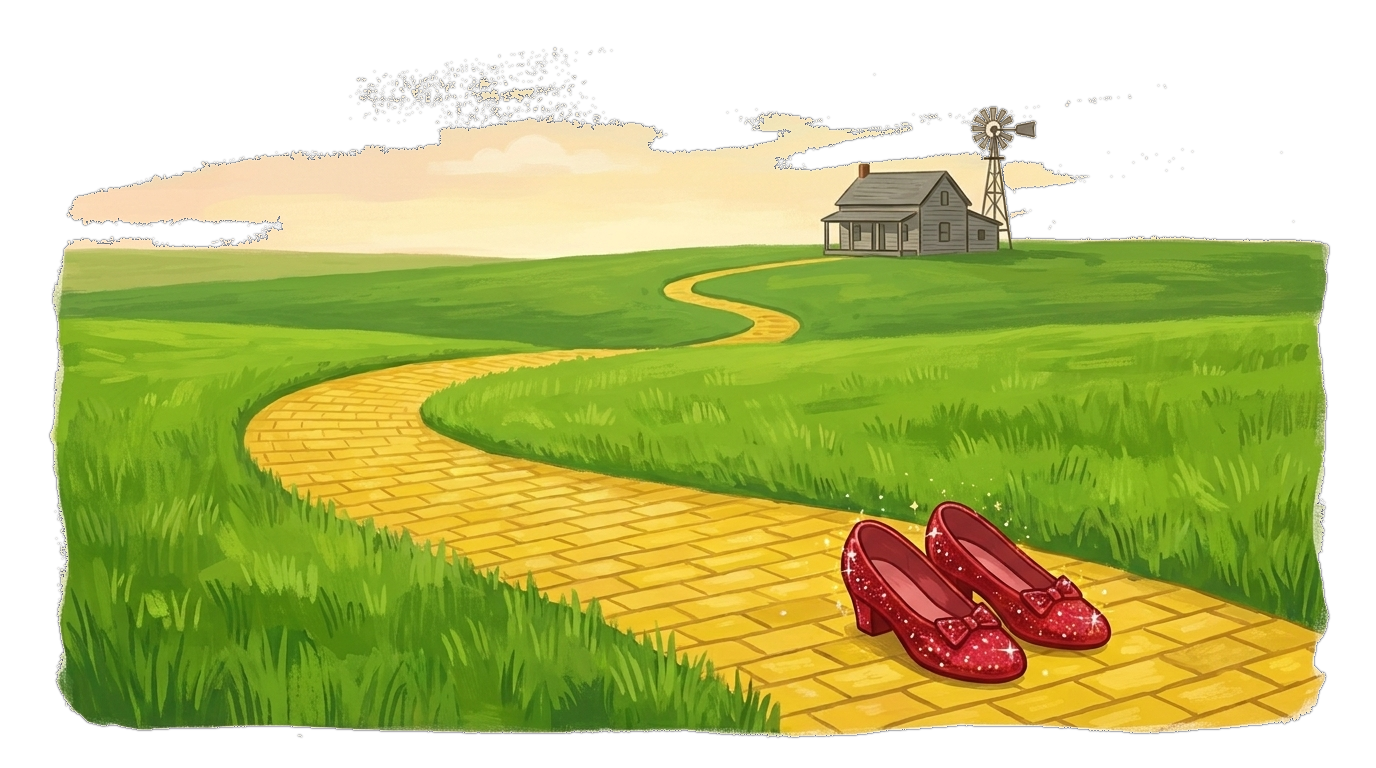
- In The Wizard of Oz, Dorothy wants to be anywhere but home. The movie is about realizing there's no place like it, and she says exactly that in the last scene.
Notice that none of those themes are clever. They're simple, almost obvious once you say them out loud. That's a feature. The cleverness belongs in the execution.
Theme lives in the structure, not the dialogue
Because the theme is the opposite of the flaw, it's built into every major beat without anyone having to say it:
- The status quo shows the flaw, which means it shows the absence of the theme.
- The midpoint is the protagonist's first glimpse of the theme as a way to live.
- The end of Act Two is a backslide away from the theme.
- The climax is where the protagonist has to fully embody the theme to win.
You don't have to underline it. If your structure is built on the flaw, the theme is already on every page. The three-act structure post shows how the beats line up.
Arguing both sides
The best scripts don't preach the theme. They argue it. Supporting characters, subplots and especially the antagonist often embody different answers to the same question.
The antagonist is frequently the flaw taken to its extreme, or the theme twisted into something ugly. In The Dark Knight, the Joker's whole project is proving that people are only as good as the world lets them be, that when the chips are down, these civilized people will eat each other. The ferry sequence is the movie arguing back. Our Dark Knight coverage gets into how the Nolans build the Joker as an idea as much as a villain, which is exactly what makes the theme land.
How to find your theme if you're stuck
- Name the flaw in one specific sentence. Not "she's insecure." What exactly does she do that costs her? If you can't write this sentence, start with the character flaw post.
- Flip it. Fear becomes trust. Contempt becomes generosity. Passivity becomes action. Shame becomes acceptance.
- Check the climax. Does your protagonist win by embodying that opposite? If they win some other way, either the climax or the flaw needs work.
- Check the opening. Do the first ten pages show the flaw costing them something? If not, the audience won't feel the theme when it arrives.
Signs your theme isn't working
- Characters announce it. If someone says the theme out loud in a speech, you've probably got a structure problem you're patching with dialogue.
- The theme and the flaw don't match. A script about letting go where the protagonist's flaw is laziness will feel like two movies.
- It only shows up at the end. If the theme appears in the last ten pages, it'll feel tacked on, because it is.
- There's more than one. Movies can touch a lot of ideas, but one should drive the protagonist. The rest are texture.
See how your theme reads
Theme is one of the 20 categories graded in every Auteur report, alongside Protagonist and Structure, and the analysis points to where it's landing and where it's getting lost. Send us your draft and you'll have coverage back in minutes.