The Midpoint: Where Your Protagonist Starts to Change
Adam P. · October 4, 2026 · 3 min read
Ask ten screenwriting books what a midpoint is and you'll get ten answers. A false victory. A false defeat. A twist. Raising the stakes. All of those can happen at a midpoint, but none of them tell you what the midpoint is for.
Here's how I think about it, and it's saved more of my second acts than any beat sheet. The midpoint is where your protagonist takes the first step toward overcoming their flaw.
Why the middle of Act Two sags
The first half of Act Two is fun and games. Your protagonist is on the journey, meeting new people, figuring out the new world. And they're still fully in the grip of their flaw. Every encounter tests it, and they keep responding the old way.
That's great for about thirty pages. Then it gets repetitive, because the character isn't changing. The audience has seen the flaw cause problems five times and the sixth time feels like a rerun. That's the sag. That's the note you get in coverage that says "the second act loses momentum around page 50."
The midpoint fixes it by changing the character's relationship to their own flaw.
What happens at the midpoint
Up to the midpoint, the protagonist has been more or less ignorant of their issue. They might know something's wrong with their life, but they think it's everyone else.
At the midpoint, they start to see the light. They see the cost of the flaw, or the benefit of not being held down by it, maybe for the first time. It's a drastic shift, and it should feel like one.
There are a few ways in.
The wise wizard. Someone teaches the protagonist how to start overcoming the flaw, or grants them some power that lets them begin. Not a full cure, just the first glimpse of another way to live.
The first encounter with the villain or foil. Meeting the antagonist face to face can force the protagonist to see the flaw clearly, sometimes because the villain is the flaw taken to its logical extreme.
An accidental benefit. The thing the protagonist has been ashamed of, or fighting against, turns out to save them. Suddenly the flaw-shaped part of their life looks different.
Examples
Rain Man. Charlie Babbitt is a selfish hustler who only cares about his autistic brother Raymond because Raymond got the inheritance. Around the middle of the film, in a motel bathroom, Raymond panics when the bathwater runs hot, and Charlie realizes Raymond is "Rain Man," the imaginary friend he remembers from childhood, who was sent away after nearly scalding baby Charlie. It's the first time Charlie sees Raymond as his brother instead of a payday. He's still selfish for a while after that, but the crack is there, and from here he starts, haltingly, to care.
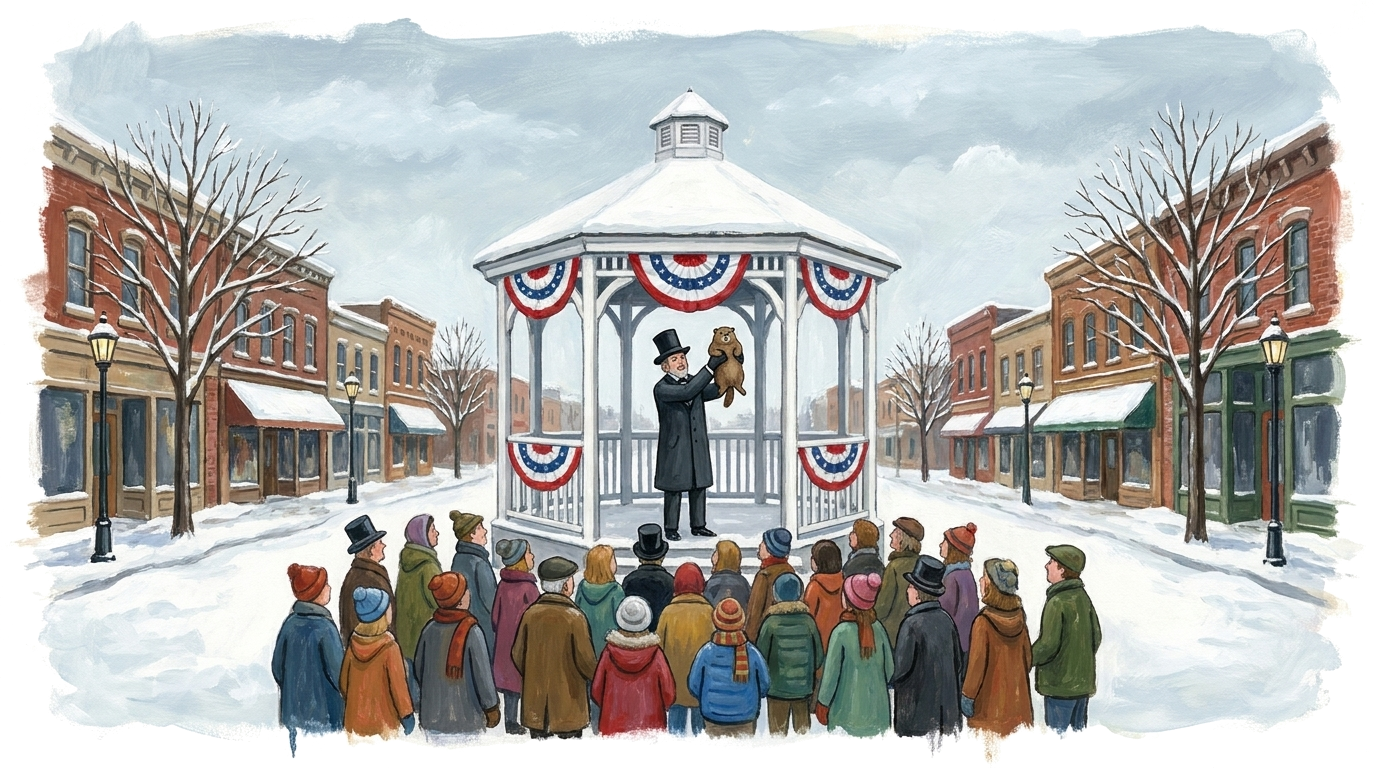
Groundhog Day. Phil Connors is selfish and contemptuous of everyone in Punxsutawney. He spends the first half using the time loop to manipulate people, culminating in an elaborate failed campaign to seduce Rita. When none of it works and despair sets in, he finally starts using the loop to get better instead of to get what he wants. That pivot from self-serving to self-improving is the hinge of the whole movie.
What comes after
The midpoint is a first step, not a finish line. In the second half of Act Two, the protagonist starts actually doing things that run against the flaw. We watch them get better.
Which is exactly what makes the end of Act Two hurt. They get close, new pressure hits, and they backslide into the flaw. If the midpoint didn't move them, the backslide has nothing to fall from. I lay out the full shape in the three-act structure post.
Signs your midpoint isn't working
- Something big happens, but the protagonist is the same person afterward. A twist alone isn't a midpoint. Ask what the character understands about themselves on page 61 that they didn't on page 59.
- The protagonist overcomes the flaw at the midpoint. Too much, too soon. Now there's nowhere to go, and Act Three has no reason to exist.
- The midpoint has nothing to do with the flaw. If you can't name the flaw, that's the real problem, and the character flaw post is the place to start.
- Nobody can find it. If readers keep asking "what's the midpoint?", it's probably not drastic enough.
Get a read on your Act Two
A soft middle is one of the most common notes in coverage, and one of the hardest to see in your own draft. Every Auteur report grades Structure and Pacing and points to the specific pages where the second act loses steam. Send us your script and you'll know where your midpoint stands in minutes.